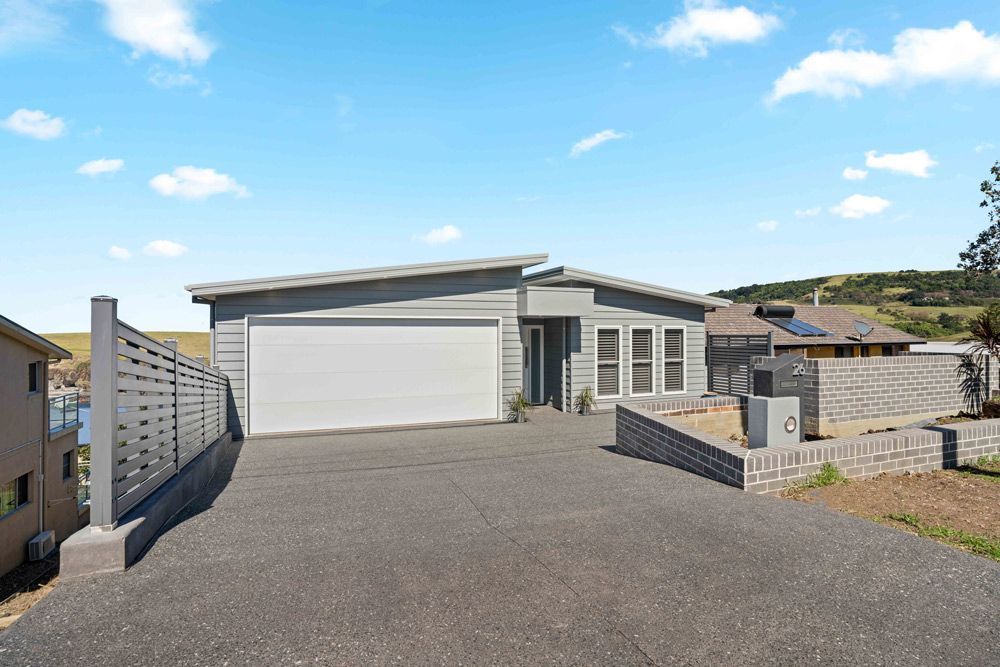
Why Builders In Nowra Recommend Soil Testing Early In The Process
Table of Contents
- Understanding Soil Testing Before Building Begins
- Why Early Soil Testing Shapes Smarter Design Decisions
- Avoiding Structural Issues Caused by Unstable Ground
- Drainage Challenges That Are Often Missed Without Testing
- Cost Blowouts That Can Result From Skipping Soil Reports
- How Soil Testing Reduces Stress Throughout the Build
- What Experienced Builders Look For in Soil Reports
- Choosing Builders Who Prioritise Preparation Over Shortcuts
- Building With Confidence From the Ground Up
Starting a building or renovation project often begins with plans, budgets and design ideas. What many homeowners do not immediately consider is what lies beneath the surface of the site itself. Soil conditions play a critical role in how a structure performs over time, influencing everything from footing design to drainage and long-term stability. When soil testing is carried out early, it provides clarity and reduces uncertainty before construction decisions are locked in.
For homeowners comparing options or searching online for “builders near me”, early soil testing can be one of the most valuable steps in protecting both the project timeline and the overall investment. It allows informed planning, realistic budgeting and fewer surprises once work begins, setting the groundwork for a smoother build experience.
Understanding Soil Testing Before Building Begins
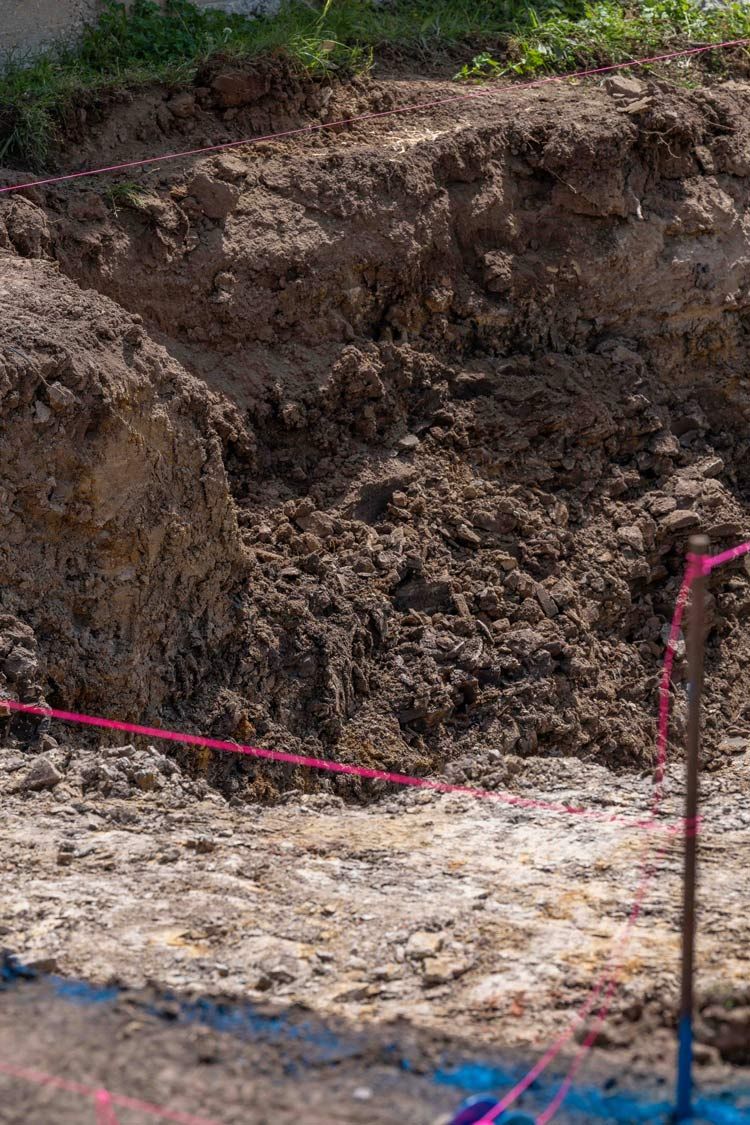
Soil testing is a formal assessment of ground conditions to determine how the soil will behave under load. It identifies factors such as soil composition, moisture retention and bearing capacity, all of which influence how foundations should be designed.
A soil test typically helps determine:
- Whether the ground can support standard footings or requires specialised foundations
- How reactive the soil may be during wet and dry conditions
- The presence of fill, clay, sand or unstable layers below the surface
- Drainage behaviour that could affect long-term performance
By understanding these conditions upfront, builders can align construction methods with site realities. This reduces guesswork and supports more accurate engineering decisions before plans are finalised.
Why Early Soil Testing Shapes Smarter Design Decisions
Designing a home or extension without soil data can lead to assumptions that later require correction. Early testing allows structural requirements to be integrated into the design from the beginning rather than added as costly modifications later.
Early soil testing supports design by:
- Allowing engineers to specify appropriate slab or footing systems
- Reducing the likelihood of design changes after approvals
- Helping balance structural requirements with budget expectations
- Supporting compliant construction documentation
When builders have soil information early, they can work collaboratively with designers and engineers to develop solutions that suit both the site and the homeowner’s priorities.
Avoiding Structural Issues Caused by Unstable Ground
Unstable soil can lead to movement beneath a building over time. Without proper assessment, this movement may result in cracking, uneven floors or compromised structural elements.
Common risks associated with untreated soil issues include:
- Foundation movement caused by reactive clay soils
- Differential settlement between building sections
- Cracking in walls, ceilings or paving
- Ongoing repair costs long after construction
Soil testing helps identify these risks early so that foundation systems are designed to accommodate site conditions rather than react to problems after construction is complete.
Drainage Challenges That Are Often Missed Without Testing
Soil behaviour affects how water moves across and beneath a site. Poor drainage can place pressure on footings and increase moisture exposure around foundations.
Soil testing can reveal:
- Areas prone to water retention or pooling
- The need for drainage systems or soil replacement
- How groundwater levels may fluctuate seasonally
- Risks linked to erosion or subsurface moisture
Addressing drainage at the planning stage helps prevent moisture-related issues that can affect both structural integrity and internal finishes over time.
Cost Blowouts That Can Result From Skipping Soil Reports
One of the most common frustrations for homeowners is unexpected cost increases after construction has started. Skipping soil testing early can contribute to these budget surprises.
Unexpected costs may arise from:
- Redesigning footings once construction has commenced
- Additional excavation or soil removal
- Engineering variations not included in original quotes
- Delays caused by unplanned approvals or revisions
Early soil testing supports clearer pricing and reduces the likelihood of reactive spending once work is underway.
How Soil Testing Reduces Stress Throughout the Build
Building projects involve many moving parts, and uncertainty can add unnecessary stress. Knowing that the site has been properly assessed helps homeowners feel more confident throughout the process.
Soil testing contributes to peace of mind by:
- Providing clarity before major decisions are made
- Reducing the risk of mid-project disruptions
- Supporting realistic timelines and expectations
- Allowing builders to plan with fewer unknowns
This preparation helps projects progress with fewer surprises, making the overall experience more manageable for homeowners.
What Experienced Builders Look For in Soil Reports
Builders rely on soil reports to guide construction decisions. These reports inform everything from excavation depth to reinforcement requirements.
Key elements builders assess include:
- Soil classification and reactivity ratings
- Recommended footing systems
- Drainage considerations and site preparation needs
- Notes on fill or previous site disturbance
Builders who review and interpret these reports carefully can align construction methods with site conditions rather than applying generic solutions.
Choosing Builders Who Prioritise Preparation Over Shortcuts
Not all building approaches place the same emphasis on early assessment. Builders who encourage soil testing demonstrate a commitment to planning, transparency and long-term outcomes.
When comparing options or searching for reliable builders in your location, it is worth considering whether early soil testing is recommended as part of the process. This approach supports informed decision-making and helps homeowners avoid preventable complications.
Builders who value preparation tend to:
- Encourage early assessments before finalising designs
- Communicate clearly about site-related risks
- Support decisions that reduce long-term issues
- Plan construction methods around actual conditions
This mindset often leads to smoother builds and more predictable outcomes.
Building With Confidence From the Ground Up
We at Ridgeline Building Co believe successful projects start with informed preparation and careful planning. As builders Nowra homeowners trust, we prioritise early soil testing to reduce uncertainty, support accurate design decisions and help projects progress with fewer disruptions.
If you are planning a new build or extension and have been searching for builders who value thorough preparation and clear communication, our team is here to assist. We work closely with property owners to assess site conditions early, explain findings in plain language and support confident decisions from the outset.
Choosing experienced
builders that Nowra residents rely on can make a meaningful difference to how smoothly your project progresses, from initial planning through to construction. If you would like to talk through your plans or better understand what early site preparation involves, we welcome you to
get in touch and
have an initial conversation with our team.